
Most dogs pant. Most of the time, it means nothing. But panting is also one of the first signs of heatstroke, heart failure, and severe pain – and those look almost identical to normal cooling behavior until they don’t. This article covers the full range of causes, from routine thermoregulation to medical emergencies, and gives dog owners a clear framework for knowing when to wait it out and when to call a vet.
My neighbor’s dog was panting so hard she could hear it from the driveway. The dog was just sitting there. No exercise, no heat, no obvious reason. She waited three days before calling a vet. By then, the dog was in early heart failure.
That’s the problem with panting. It’s so normal-looking that people miss it when it isn’t.
Dogs pant for a lot of reasons – most of them fine, a few of them not. Knowing the difference isn’t complicated, but it does require paying attention to context. What’s happening around the dog? How long has it been going on? What does their body look like while it’s happening? Those three questions will tell you more than any symptom list.
The Biology of Dog Panting
Dogs don’t sweat the way we do. Humans have sweat glands distributed across the whole body – moisture evaporates from skin, and that process pulls heat away. Dogs have sweat glands only in their paw pads. That’s it. Nowhere near enough surface area to cool a 60-pound animal on a July afternoon.
So they breathe instead.
When a dog pants, they’re cycling warm air out and cooler air in at a rapid rate – sometimes over 300 breaths per minute, compared to around 15 at rest. Moisture evaporates from the tongue, the mouth lining, and the upper airway. That evaporation pulls heat from the blood vessels running through those tissues. The cooled blood circulates back through the body. It works well, right up until it doesn’t.
High humidity is where this system breaks down. Evaporation slows when the air is already saturated with moisture, which is why a humid 80-degree day is more dangerous for a dog than a dry 90-degree one. Most owners don’t factor that in.
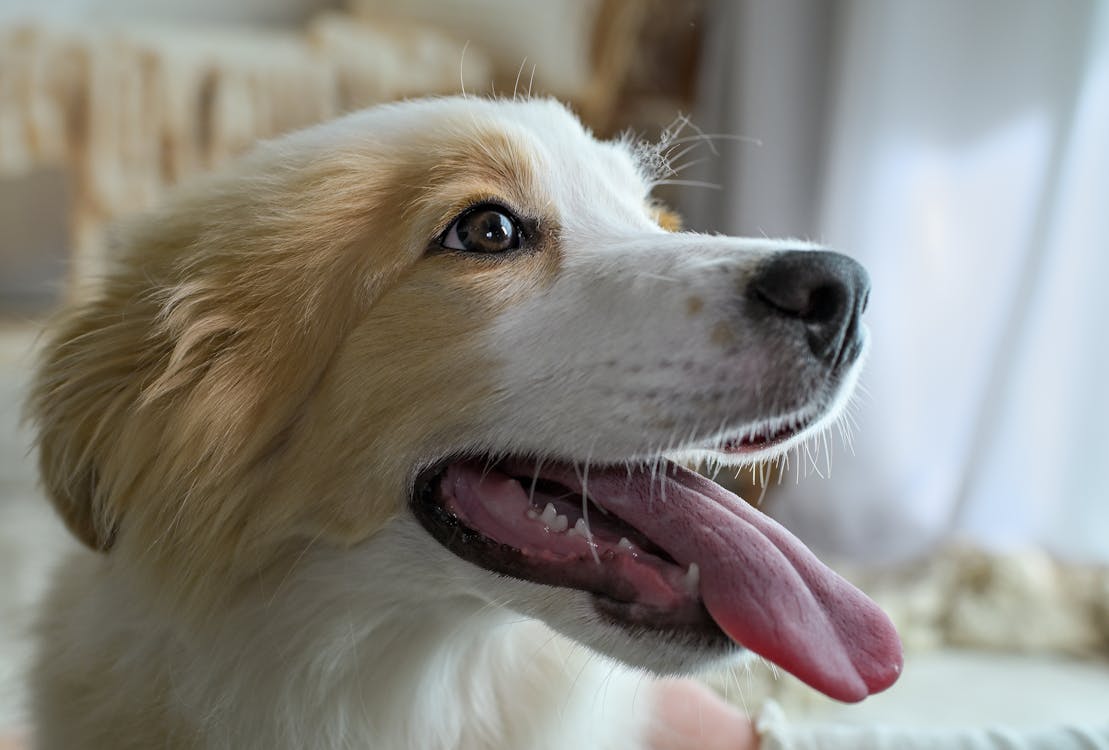
Normal Reasons Dogs Pant
Most panting is completely fine. Here’s what falls into that category.
Heat and exercise
After a run, a game of fetch, or a long walk on a warm day, panting is the body doing exactly what it’s supposed to do. The dog’s respiratory rate spikes, they cool down, and the panting stops. That’s the whole story. If it subsides within 10-15 minutes of rest in a cool spot, there’s nothing to worry about.
Excitement
Grab the leash and watch what happens. The panting starts before you even reach the door. This is behavioral, not thermal – the dog’s heart rate climbs with anticipation, and the breathing follows. It’s not a problem. It’s just a very excited dog.
When Panting Becomes a Problem
Panting that has no obvious cause is the thing to watch. A dog lying in a cool room, not recently exercised, not visibly excited – and panting. That’s the scenario that warrants attention.
Stress and anxiety
Anxiety panting is one of the most common things I see misread. The dog is panting during a thunderstorm, and the owner assumes they’re hot. They’re not. They’re scared. The fight-or-flight response floods the body with cortisol, heart rate climbs, and breathing accelerates as a result.
Look for the other signs alongside it. Lip licking. Yawning. Pacing. The whites of the eyes showing (whale eye). A dog showing all of those at once isn’t overheated – they’re in distress, and what they need is a quiet, low-stimulus space to decompress, not a fan.
Pain
Dogs hide pain well. It’s instinctual – showing weakness in the wild is a liability. So the signals are subtle, and panting is one of the most common ones.
An older dog that starts panting while resting, with no change in environment or routine, should be seen by a vet. Arthritis, internal injuries, gastrointestinal issues – all of these can present as unexplained panting before any other symptom shows up. I’d rather be wrong about it and have a clean bill of health than miss something that was treatable early.
Heatstroke
Heatstroke kills dogs. It happens fast – faster than most people expect. Once a dog’s internal temperature crosses 104°F, the body’s cooling system starts to fail. At 107°F, organ damage begins.
The panting will sound different. Harsh. Labored. The gums may go bright red, then purple. The dog will become uncoordinated, then collapse. If you’re seeing any of that, don’t wait. Wet them down with cool water – not ice cold, which causes blood vessels to constrict – and get to an emergency vet. Every minute matters.
Underlying medical conditions
Three conditions come up again and again as causes of chronic, unexplained panting in dogs.
- Cushing’s Disease: The adrenal glands overproduce cortisol. Heavy panting is a hallmark symptom, usually paired with increased thirst, a pot-bellied appearance, and thinning coat.
- Heart Failure: When the heart can’t pump blood efficiently, the body doesn’t get enough oxygen. The dog pants to compensate. It’s a losing battle without treatment.
- Respiratory Disease: Pneumonia, laryngeal paralysis, or lung tumors restrict airflow. The dog works harder to breathe, and that effort shows up as panting.
These conditions don’t announce themselves dramatically. They creep in gradually, and panting is often the first thing owners notice – usually months after the condition started.
Short-Nosed Breeds Are a Different Situation Entirely
Pugs, Bulldogs, French Bulldogs, Boston Terriers – brachycephalic breeds are working at a structural disadvantage every single day. Elongated soft palates, narrowed nostrils, and compressed airways mean that panting is less efficient for them than for other dogs. They move less air per breath. They overheat faster. And they can’t compensate as effectively when things go wrong.
A Greyhound panting after a sprint is fine. A Bulldog panting after a short walk in 75-degree weather may not be. The threshold is just lower, and owners of these breeds need to know that going in.
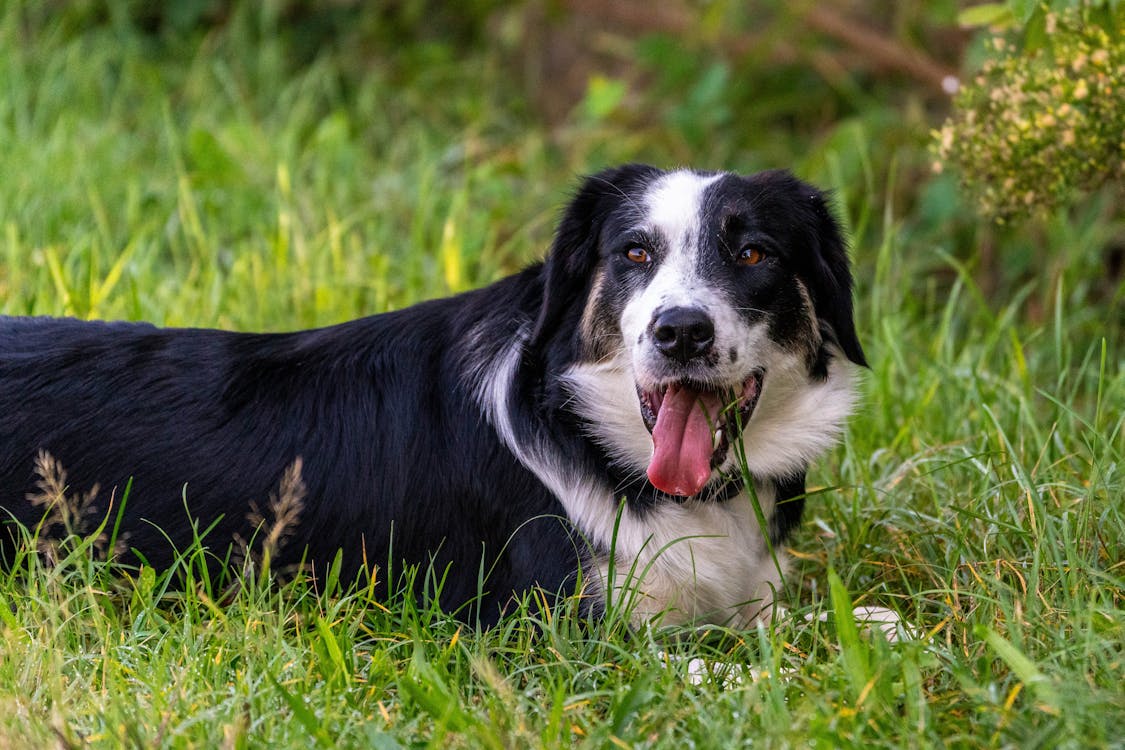
Why Is My Dog Panting at Night?
Nighttime panting is almost never about temperature. The house is cool, the dog hasn’t moved in hours, and yet there they are – pacing and heaving at 2am.
In older dogs, Canine Cognitive Dysfunction (essentially dog dementia) is a common culprit. The quiet and darkness of night can trigger confusion and anxiety in dogs with CCD, and panting is how that distress shows up. Arthritis is another one – joint pain often intensifies when a dog lies still for long periods, and the discomfort keeps them awake and restless. Heart conditions can also cause fluid to accumulate in the lungs when a dog lies flat, making breathing harder.
If it’s happening consistently, it’s not a quirk. Get it checked.
How to Calm a Panting Dog
What you do depends entirely on why they’re panting. Treating anxiety panting the same way you’d treat heat panting doesn’t help either situation.
- Read the context first. Hot day, recent exercise, or obvious excitement? Let them rest and cool down. No obvious cause? Keep reading.
- Check the gums. Lift the lip. Healthy gums are a bubblegum pink. Pale, white, blue, or brick red gums are a medical emergency – stop and call a vet.
- Remove the stressor if anxiety is the cause. Get them to a quiet, dim space. Don’t hover over them or try to soothe them with excited energy – that reinforces the anxiety. Calm presence only.
- Don’t punish the panting. Ever. If they’re scared, yelling makes it worse. If they’re in pain, it’s cruel. Neither outcome helps.
Managing behavioral triggers – whether it’s panting from anxiety or something like biting from overstimulation – follows the same basic logic: control the environment before you try to control the dog.
Frequently Asked Questions
Why is my dog panting so much?
If the panting is out of proportion to the temperature or activity level, it’s most likely pain, stress, or an underlying medical condition – Cushing’s disease and heart failure are the two most common culprits. A vet visit is the right call.
How can you tell if a dog’s panting is abnormal?
Abnormal panting sounds harsher and louder than normal. It happens when the dog is at rest in a cool room. It’s often paired with other symptoms – lethargy, pacing, pale or discolored gums, or visible distress. Normal panting has a clear cause and stops when that cause is removed.
What should I do if my dog is panting heavily?
Move them somewhere cool and offer water. If the panting doesn’t ease up within 10-15 minutes, or if their gums change color, treat it as an emergency. Don’t wait to see if it gets better on its own.
Why is my dog panting at night?
Nighttime panting is rarely about heat. The most common causes are arthritis pain flaring when the dog lies still, anxiety or cognitive dysfunction in older dogs, and heart conditions that make breathing harder in a flat position. Any of those needs a vet’s attention.
One Last Thing
You know your dog’s baseline better than any article can. You know what their breathing sounds like after a walk versus after a nap. Trust that knowledge. When something feels off, it usually is.
Panting that has no explanation is a dog asking for help in the only language they have. Pay attention to it.