
Dog biting – whether it’s a puppy nipping or an adult dog snapping – is a behavior problem that gets worse when it’s ignored. This article walks through the real causes behind biting, from poor bite inhibition in puppies to fear and frustration triggers in adult dogs, and lays out the specific training protocols that actually stop it. The focus is on both nipping and aggression, with a clear line drawn between what you can fix at home and what requires a professional.
You brought a dog home expecting a companion, but right now, you are dealing with teeth. Learning how to stop dog biting is not a weekend project. It requires consistency, patience, and a willingness to change how you interact with your animal.
Most people skip the foundational work and wonder why nothing sticks. They try a trick they saw on social media once, get frustrated when the dog lunges again, and give up.
That fails. Every time.
If you want to fix this, you have to understand the mechanics of canine behavior.
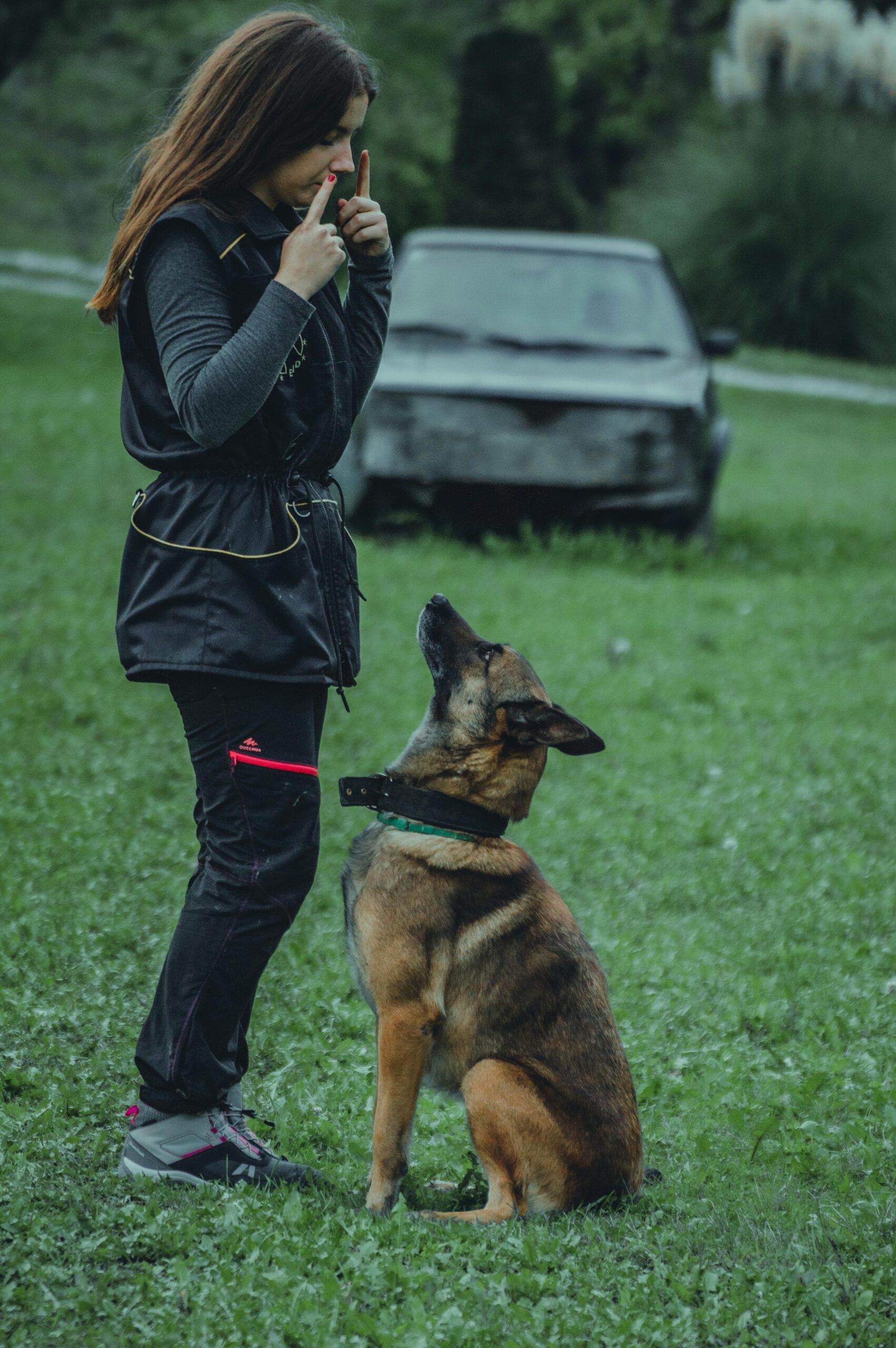
Why Dogs Bite In The First Place
Dogs do not bite because they are inherently malicious. They bite because a specific trigger pushed them past their emotional threshold.
Sometimes that trigger is obvious. Other times, it is completely invisible to the human eye.
Trigger stacking is a massive problem. A dog might tolerate a loud truck driving by. They might tolerate a stranger reaching for their head. But if the loud truck drives by exactly as the stranger reaches for their head, the combined stress causes a reaction. The dog snaps.
Fear is the root cause of defensive aggression. A fearful dog asks for space using subtle cues. When those cues are ignored, the dog feels trapped. Biting becomes the only remaining option to create distance.
Then you have puppies. Puppy nipping is entirely different from adult aggression. Puppies explore the world with their mouths. They lack bite inhibition. They literally do not know how hard their jaws are clamping down until another dog – or a human – tells them.
Decoding The Warning Signs
A bite rarely comes out of nowhere.
You just missed the memo.
Dogs communicate discomfort long before they resort to their teeth. The problem is that human beings are notoriously bad at reading canine body language. We expect growling or bared teeth. Those are late-stage warnings.
Look for the early indicators.
Pupil dilation is a major red flag. A dog staring hard with wide eyes is processing a threat. Hackles raising along the spine indicate high arousal. Ears pinned flat against the skull show fear or submission.
Lip licking when no food is present is a classic stress signal. Yawning out of context means the same thing.
If you see these signs, stop what you are doing. Remove the stressor. Do not push the dog further.
Some owners punish their dogs for growling. This is a massive mistake. Growling is communication. It is the dog saying they are uncomfortable. If you punish the growl, the dog learns that warning you is dangerous. The next time they feel threatened, they will skip the growl and go straight to the bite.
According to the American Veterinary Medical Association, understanding these subtle behavioral cues is the single most effective way to prevent incidents before they escalate.
The 5-Step Biting Intervention Protocol
Fixing a biting problem requires a structured approach. You cannot wing this.
1. Establish Bite Inhibition Early
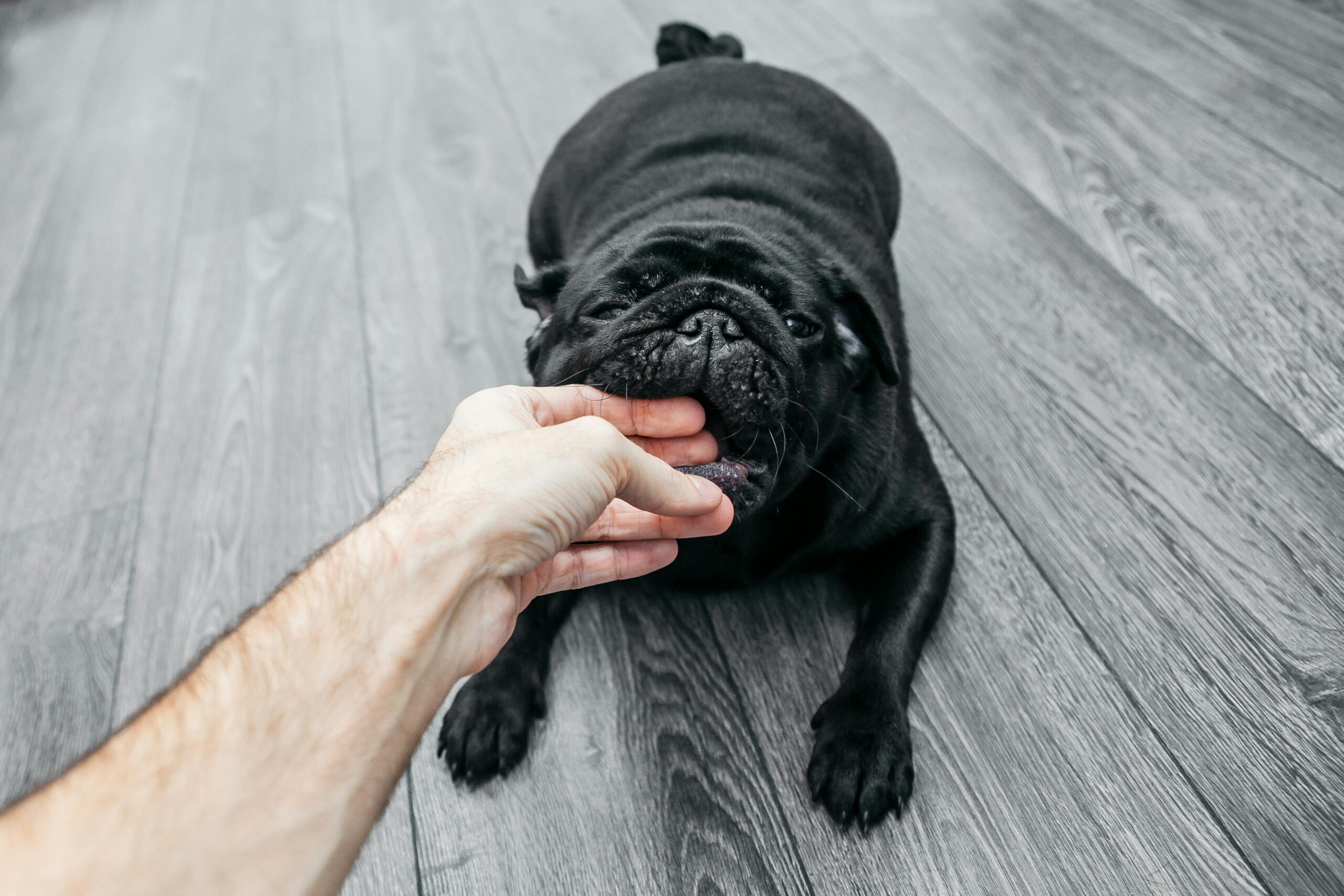
This applies primarily to puppies, but the concept holds for older dogs learning boundaries. When the dog puts teeth on skin, you must react.
Say “Ouch!” sharply.
Do not scream. Do not flinch wildly. Just a sharp, clear vocalization. This mimics the yelp a littermate would give if bitten too hard. It startles the dog and interrupts the behavior.
2. The Immediate Time-Out
If the vocalization does not work, remove yourself.
Stand up. Turn your back. Cross your arms.
Ignore the dog completely for ten seconds. If they continue to nip at your ankles, leave the room and shut the door. Dogs are social creatures. Removing your attention is a powerful negative consequence. They quickly learn that teeth on skin equals the end of playtime.
3. Redirect To Appropriate Targets
You cannot just tell a dog what not to do. You have to tell them what to do instead.
Keep a chew toy within reach at all times. When the dog gets mouthy, shove the toy in their mouth. Praise them when they chew the toy. This is basic redirection.
If your dog is destroying household items out of boredom or anxiety, the underlying cause might be similar to why dogs eat wood – a lack of appropriate mental stimulation or physical outlets.
4. Manage The Environment
Set the dog up to succeed.
If your dog bites when strangers enter the house, do not let the dog greet strangers at the door. Put them in a crate or a separate room before opening the door.
Management is not a failure of training. It is a necessary safety measure while training takes place.
5. Reinforce Calm Behavior
Reward the dog when they are doing absolutely nothing.
When they are lying quietly on their bed, drop a treat between their paws. Do not say anything. Just reward the calm. You want to build a reinforcement history for relaxed behavior. The keys to training your dog always revolve around consistency and timing.
What You Should Never Do
Bad advice is everywhere.
Do not tap the dog on the nose. Do not hold their mouth shut. Do not roll them on their back in an “alpha roll.”
These outdated methods rely on intimidation. They damage the trust between you and the animal. Worse, they often escalate the aggression. A dog that is physically confronted will eventually fight back to defend itself.
Never antagonize a dog to test their training. Do not wave your hands in their face or steal their food just to see what happens. You are asking to get bitten.
Frequently Asked Questions
What Is The 3-Second Rule For Dogs?
The 3-second rule is a consent test for petting. You pet the dog for three seconds, then stop and pull your hand away. If the dog leans in or nudges you for more, they are consenting to the interaction. If they turn away, shake off, or simply do nothing, they are done. Respect the “no.”
Can A Dog Ever Be Trained Not To Bite?
Yes. The vast majority of dogs can learn appropriate bite inhibition and emotional regulation. However, a dog with a severe bite history or deep-seated neurological issues may require lifelong environmental management rather than a complete “cure.” Professional intervention is mandatory in those cases.
At What Age Do Dogs Stop Biting?
Puppy teething and the associated intense mouthing phase typically subsides around six months of age when their adult teeth fully set. If a dog is still aggressively biting past eight months, it is no longer a teething issue. It is a behavioral problem that requires immediate training.
What Is The 90/10 Rule For Dogs?
The 90/10 rule suggests that 90 percent of a dog’s behavior is dictated by their environment and management, while only 10 percent is formal obedience training. If you control the environment and prevent the dog from practicing bad habits, you solve the majority of behavioral issues before they start.
The Final Word On Bite Prevention
You have to put the work in.
There is no magic collar or special treat that fixes a biting habit overnight. It takes relentless consistency. You have to read the body language, manage the triggers, and enforce the boundaries every single day.
If you are scared of your own dog, you are already in over your head. Call a certified behavioral consultant.