
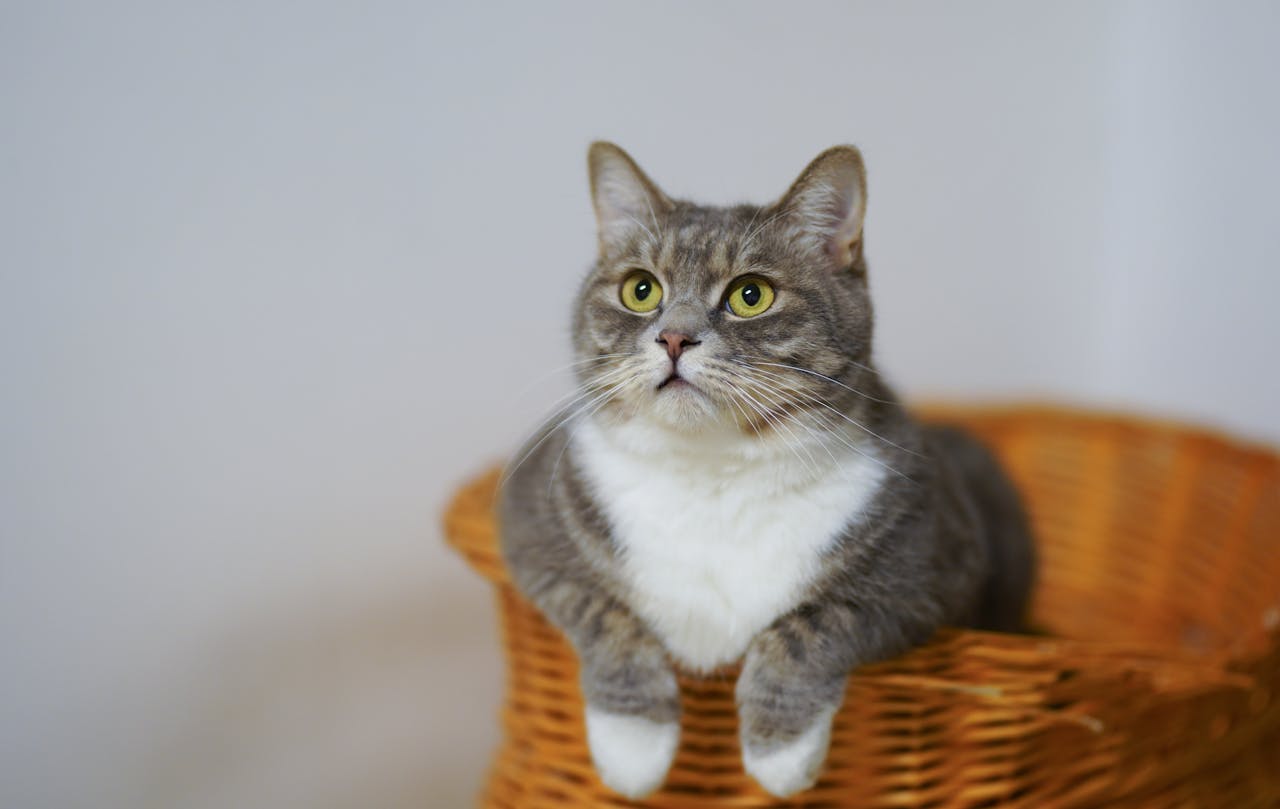
Most cats will stage a full protest the moment knitwear enters the picture – but for hairless breeds like the Sphynx, post-surgery recovery cases, and senior cats with thinning coats, a well-fitted sweater isn’t a novelty, it’s a genuine welfare tool. DogGoneKnit.com walks through exactly when feline winter wear is medically warranted, how to measure your cat correctly, and where to find free cat sweater knitting patterns sized for real feline anatomy rather than adapted from dog templates – because the fit differences matter more than most crafters realize.
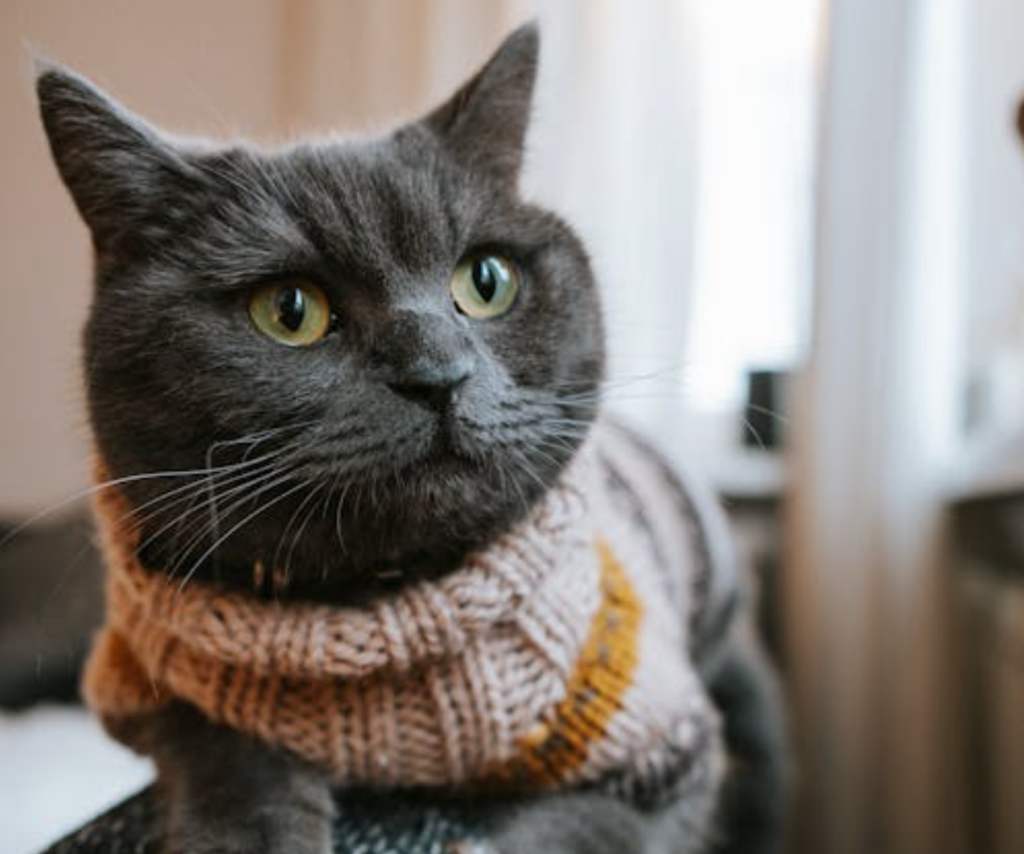
We haven’t met very many felines who gladly sit still to have a sweater pulled onto them. Most of them spend every minute afterward trying to gnaw it off. Y’all see those adorable photos on Instagram of cats looking cozy in miniature knitwear. You probably see them too. They look cute, but the reality is usually a lot less photogenic. Most cats hate wearing clothes. It restricts their movement and messes with their highly sensitive fur.
But sometimes, a cat sweater is actually necessary. Read on to learn the finer (knitting needle) point…
Table of Contents
Hairless breeds like the Sphynx have no coat to regulate body temperature, so clothing stops being a novelty and starts doing real work. The same logic applies post-surgery, where a fitted garment keeps a cat from worrying at an incision far better than the stress of an Elizabethan collar. Cold drafts hit older cats hard. A thin layer can make a measurable difference for a senior animal whose circulation has slowed.
When Cats Actually Need Sweaters
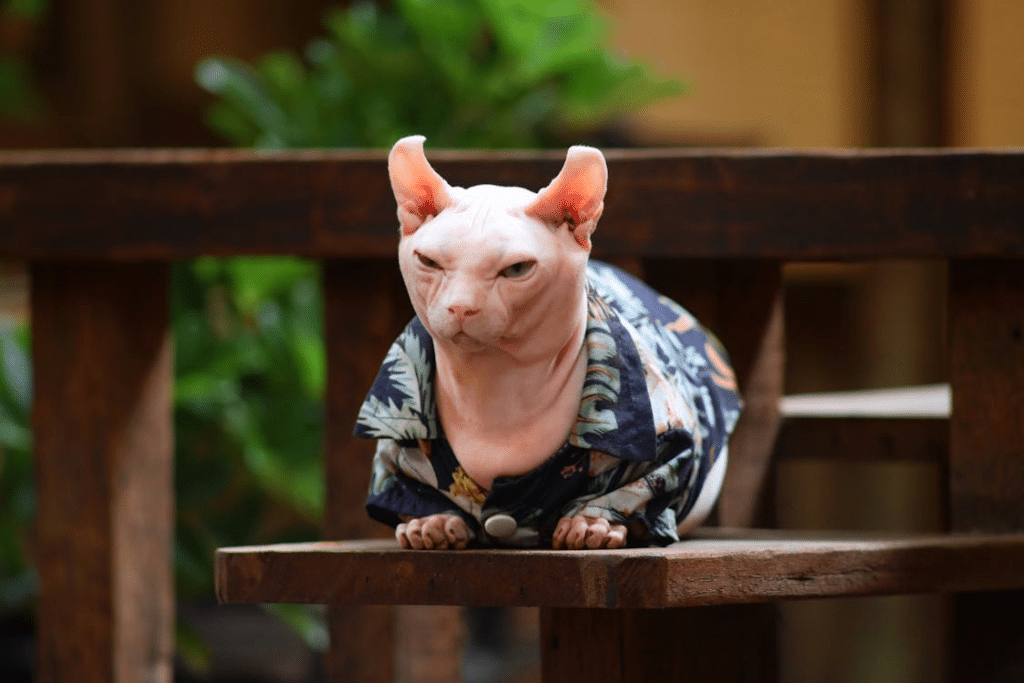
For Sphynx cats, a well – fitted sweater is more of a survival tool than a fashion statement. Because they lack a natural coat, these hairless breeds lose body heat at a rate that is genuinely concerning to watch if you’ve ever seen one shiver while trying to find a warm spot on a cold kitchen floor. Stop the shivering.
They need the heat. Especially when your backyard becomes a remote landscape of the winter wasteland variety. Cones are miserable, mostly because they turn a normally agile predator into a clumsy mess that walks into walls and can’t even reach their own food bowl without making a loud, scraping sound on the floor. Instead of using those plastic cones, vets sometimes suggest a light shirt to keep a cat from destroying their own stitches, even if the recovery period feels like it dragged on for an absolute eternity while he moped around the living room and stared at the wall. Most pet owners find this approach much easier to manage during the healing process. Check the fit regularly.
Cat Sweaters Matter
Whether it actually helps with every single surgery is debatable, especially since some cats are basically escape artists who can wiggle out of any fabric you put on them within a matter of minutes while you aren’t looking. It just… depends.
That said, a few real cases exist where a sweater pulls its weight. Hairless breeds like the lose heat fast – without a fur barrier, they gravitate toward lamps, radiators, or whatever warm body is nearby. A well-fitted knit layer keeps them from constant heat-seeking. Post-surgery is another exception; vets sometimes prescribe a light shirt specifically to block the cat from worrying at stitches, which cuts recovery time and protects the wound site.
Senior cats present a third case. Weight loss and thinning coats – both common in older animals – reduce their ability to hold heat. A soft, loose layer compensates for that loss without restricting movement.
The Safety Risks of Feline Fashion
Dressing a cat takes more than a quick pull-over and a photo op. Supervision is non-negotiable.
Cats are practiced escape artists. They compress through gaps that look impossibly small, scale surfaces without warning, and catch loose fabric on door handles or branches the moment you glance away – a real choking risk, not a theoretical one. Grooming matters too. Cats use it to self-regulate, and a sweater that blocks fur access can trap a rough tongue in yarn loops, leaving the animal stuck and distressed — though honestly, most owners don’t think about the grooming angle until something goes wrong.
So watch behavior from the second the garment goes on. Freezing, toppling sideways, desperate backward scrambling — clear refusals, all of them. Remove it immediately. No outfit is worth that.
How to Measure Your Cat for a Sweater
Fit is everything in pet clothing. Too loose and they slip free; too tight and they freeze in panic.
Before you knit a single row or add anything to a cart, you need three measurements. Use a soft tape – the rigid kind skews readings on a curved body. Wrap it around the neck, then around the broadest point of the chest just behind the front legs, then run it along the spine from the base of the neck to the base of the tail. Write those numbers down.
If you’re making the garment yourself, those figures are non-negotiable. A sweater that gaps at the chest or cinches at the shoulders is useless regardless of how well it’s knitted – and yes, I’ve seen beautifully executed knitting that fit like a potato sack because the maker eyeballed the chest width. The same measurement points apply to cats as to dogs, though feline proportions tend to run narrower through the chest and longer through the torso relative to overall size. Whether that difference changes anything about how you draft the pattern depends on the construction method, and that’s honestly a longer answer than fits here.
Adapting Dog Patterns for Felines
Finding a specific cat sweater knitting pattern can sometimes be difficult. Most designers focus entirely on dogs.
You don’t need a cat-specific pattern. Small dog patterns adapt well to felines – actually, better than most people expect, because cats typically have narrower chests and more flexible shoulders than dogs of comparable weight, which means even minor adjustments carry you surprisingly far.
When you find a pattern worth using, hold the finished chest measurement against your cat’s actual dimensions. Body length almost always needs extending. Cats run longer than toy dog breeds, sometimes by a full inch or two – I’ve seen people lose an hour retrofitting a pattern that was simply the wrong starting point. A custom-fit dog sweater pattern sidesteps this cleanly, because you enter your measurements before casting on rather than wrestling with a fixed size after the fact.
When you find a pattern you like, compare the finished chest measurement to your cat’s actual size. You might need to add a little extra length to the body, as cats are often longer than toy dog breeds. A custom fit dog sweater pattern works beautifully for this, because you input your specific measurements before casting on.
Finding a Cat Sweater Knitting Pattern
Finding a pattern that doesn’t make your cat miserable or itchy is honestly harder than it looks. It really sucks. By focusing on the look rather than the animal’s actual range of motion, most online guides miss the point entirely.
Don’t Use Seams
Stick to seamless designs. Because they rub against the fur and cause painful mats, seams are basically the enemy of any feline’s comfort. Choosing a top-down construction is usually the only way to go if you want a decent fit. After spending three full weeks on a meticulously seamed wool vest for our official DGK tabby, Barnaby, we quickly realized he simply wouldn’t move an inch if he felt even the slightest ridge against his ribs or under his sensitive front legs. Circular needles are better.
Find yourself a basic sweater pattern that fits both cats and small dogs without much fuss, assuming you already know the basics of knitting and purling in a continuous circle without twisting your stitches. For those just starting out, picking the right material is the only thing that actually matters when you’re working with small animals.
- Superwash merino blends
- Premium acrylics
- Cotton-blend yarns
Grab a superwash merino blend or a decent acrylic that can survive a heavy cycle in the washing machine after your cat inevitably rolls in something gross or sheds half its body weight in loose fur. Choose durability over softness. While most serious knitters snub their noses at synthetic fibers, for a pet garment that gets covered in hair, dander, and outside dirt, choosing a durable acrylic is actually the more practical choice for the long term and your sanity – jJust watch the gauge.
Cat Sweater FAQ
Are sweaters for cats a good idea?
Sweaters for cats? Many with experience (and a lot of scratched hands) would say it’s a bad call. And the garment limits movement and gets in the way of grooming – two things cats treat as non-negotiable. The exception is narrow: hairless breeds, older cats that genuinely can’t hold body heat, or a cat coming out of surgery where warmth aids recovery.
Do cats need a sweater in winter?
For most cats, no. A healthy cat with a full coat is already well-insulated for life indoors – the fur does that job without any help. Hairless breeds like the Sphynx, or cats with a diagnosed condition affecting their ability to regulate temperature, are a different matter entirely.
How do I get my cat used to wearing a jacket or sweater?
Start slowly. Put the sweater on for just a few minutes at a time while offering high-value treats. Engage them in play with a wand toy to distract them from the feeling of the garment. You have to accept that some cats will never tolerate clothes. Stop forcing the issue if they remain stressed, and the younger they are when clothing is introduced – the better.
Hopefully this answered a few of your burning questions about cat sweater patterns, getting the fit right, and yes – feline fashion is absolutely a whole thing now. Knitting for cats is genuinely tricky, whether you’re threading your first cast-on or tweaking a pattern you’ve reworked a dozen times. The target’s always the same though: something your cat won’t immediately try to escape from, that actually fits the way a sweater should.
Every stitch decision is a small puzzle – comfort versus style, structure versus stretch – and there’s a specific kind of satisfaction when the finished piece sits right on a real cat body and stays there. If measurements are still giving you grief, or you can’t figure out a yarn weight, just ask. That’s what the comments are for. And if you’ve cracked a sizing trick that actually works, or you’ve got a story about a cat who treated your carefully knitted sweater like a personal insult, share it. The more people toss ideas into the mix, the warmer this whole thing gets.
oh my goodness – my cat would never go for that. but the ones in the photos look content. maybe I will give it a shot. would really depend on the overall personality of the cat.
What a bunch of dapper little kitties. I am going to try that one for my dog, though. I don’t want to get scratched to pieces!
Hi;
I’m so glad to contact with you.Maybe I can help you make the dogs more beautifull.I’m sure we can give you a big surprise.Believe me!
we product the dog clothes,if u care about it we’ll send more picture for,maybe can help.
If you need us ,please contact with me!
http://www.yasix.com
sam
COOL! Others who have sweaters for their cats! My smallest cat, Piccy, is always freezing. Recently I used an old sweatshirt sleeve to make him a quick thing to wear. He loved it. He was so cute! So now I am knitting him a sweater. I’m so glad others dont think its silly. I bet lots of cats would love sweaters!
I got a kitten that was about three weeks old. Keeping her warm was a task. One of my grandchildren had a teddy bear wearing a sweater. The sweater was big for the under a pound kitten. but it kept her warm. Now she wears a sweater in bad weather and walks on a leach with her pal – my mini Schnouzer.
I have two hairless cats and started knitting because I wanted to be able to make them gear that was comfortable for them. Remember cats can be allergic to sheep wool but alpaca and synthetics work well.
Thanks for leaving a message monique. I am getting 2 hairless cats soon and am currently searching for suitable clothes for them and maybe even attempting to knit something myself. Thanks for suggesting that sheep wool may be a problem…I wish there was a site for hairless cats’ sweaters
I also have two Sphynx hairless cats and am looking for sweaters or coats for them…let me know if you found someplace to get them or a pattern that works.
i would love to be able to knit or crochet sweaters for cats. My daughterand a few of her cousins have requestes sweaters made up for thir cats for christmas and do not know ho to make their request come true. Any help would be appreciated
I have started making sweaters for cat owners..if you would like I can make them for you..itdepends on the yarn used as far as pricing goes.
I have a long haired cat that loves to go out with my himalayan and she gets cold and runs in. That is how I started/ She loves her Martha Stewart poncho and sweaters..she can owgo out on theporch in the cold and play with her friend who doesn’t mind the cold.
I have a cat that is 21 years old and
has not fur left on him. living in the northeast he will need something for the short trips outside. Thanks for helping him out.
are there any FREE instructions that u give on making cat sweaters?