
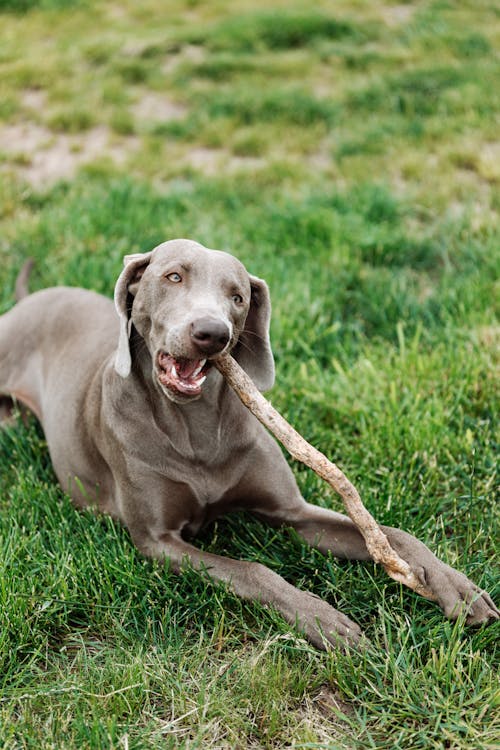
Wood chewing is one of the most common – and most misunderstood – destructive behaviors in dogs. This article breaks down the biological and behavioral reasons behind it, from teething and Pica to anxiety and boredom, and explains the real medical risks that most owners don’t think about until something goes wrong. You’ll find specific, practical steps to stop the behavior without punishment, and learn how to tell when a vet visit is actually necessary.
My first dog ate the entire bottom rung of a dining room chair before I even noticed. I thought he was just lying quietly under the table. He wasn’t. He was quietly dismantling oak.
Wood chewing is infuriating. It’s also incredibly common.
To a dog, a stick in the yard or a baseboard in the hallway isn’t trash or building material. It’s a puzzle. It has texture, it yields to pressure, and it gives them something to do. The problem is that wood splinters, and those splinters end up in the soft tissue of their mouths or, worse, their intestines.
You can’t just yell at them to stop. You have to figure out what’s driving the behavior first. Once you know why they’re doing it, stopping it gets a lot easier.

The Real Reasons Your Dog Chews Wood
Dogs don’t chew the deck out of spite. They have reasons. Most of them are biological or behavioral.
Puppy teething
Puppies lose their baby teeth. Adult teeth push through the gums. It hurts. Chewing on something firm but yielding – like a pine baseboard – helps numb that pain. It’s the exact same reason human babies chew on plastic rings. This phase is rough, but it usually wraps up around the six-month mark.
Boredom
A bored dog is a destructive dog. That’s a rule.
Leave a high-energy dog alone in a yard with nothing to do, and they will invent a job. Often, that job is landscaping your mulch or breaking down a fallen branch. They need physical exercise and mental engagement. Without it, chewing becomes a repetitive way to self-soothe.
Stress and separation anxiety
Chewing releases endorphins. It’s a natural stress reliever.
When a dog is anxious, they chew to calm down. This is why you often see chewed door frames or window sills when a dog has severe anxiety. They are literally trying to gnaw their way out of their own panic.
Making them feel secure helps. Some owners find that putting their dog in a snug garment – like a well-fitted dog sweater – acts almost like a weighted blanket. It swaddles them. A dog that feels physically secure is far less likely to destroy the coffee table.
Nutritional deficiencies and Pica
Sometimes it’s a diet issue.
If a dog lacks certain minerals, they might seek out non-food items to compensate. The extreme version of this is Pica – a condition where dogs compulsively eat inedible things like dirt, rocks, or wood. If your dog is actively swallowing chunks of wood rather than just chewing them, a vet visit isn’t optional. It’s mandatory.
Attention seeking
Dogs learn fast. They know that if they grab a stick or start gnawing on the patio furniture, you will immediately drop what you’re doing and run over to them. To a lonely dog, even negative attention is still attention.

The Hidden Dangers of Eating Sticks
Wood isn’t a safe chew toy. The risks are high, and the vet bills are higher.
Splinters and mouth injuries
Wood splinters under pressure. Those sharp shards lodge under the gum line, pierce the tongue, or stick in the roof of the mouth. These injuries cause chronic pain and nasty infections that you probably won’t spot until the dog stops eating entirely.
Intestinal blockages
Wood doesn’t digest.
If a dog swallows a chunk of bark, it has to travel through the entire GI tract. If it gets stuck, you’re looking at an intestinal obstruction. That’s a life-threatening emergency requiring immediate surgery.
Toxic woods and chemicals
Not all wood is just wood.
Pressure-treated lumber on decks contains toxic chemicals. Landscape mulch often has harmful dyes or cocoa bean hulls mixed in. Even natural woods like black walnut, cherry, and yew are highly toxic to dogs.
It’s just not worth the risk.
How to Stop Your Dog From Eating Wood
You have to redirect the instinct. Punishment doesn’t work here.
Provide safe alternatives
Trade the wood for something better. Give them single-ingredient chews like bully sticks or heavy-duty rubber toys. These satisfy the urge to gnaw without the splinter risk. If they grab a stick outside, trade it immediately for a high-value treat.
Tire them out
A dog that just ran three miles or spent thirty minutes working on a puzzle feeder doesn’t have the energy to dismantle your baseboards. Exercise solves a lot of behavioral problems.
Dog-proof the environment
Manage the space. If they chew the deck, block access to the deck. Inside, use bitter apple spray on furniture legs. Make the wood taste terrible so they choose their toys instead.
Focus on security
If anxiety is driving the chewing, treat the anxiety. Create a safe, quiet space for them. Keeping them warm and secure in a comfortable sweater can reduce nervous pacing. If you knit, we have free patterns available to make one yourself.
Frequently Asked Questions
How do I get my dog to stop eating wood?
Trade the wood for a safe chew toy. Increase their daily exercise. Use bitter apple spray on furniture to deter indoor chewing. Tired dogs are rarely destructive.
What does it mean if your dog eats wood?
It usually points to boredom, anxiety, teething, or attention seeking. In some cases, it indicates a nutritional deficiency or a medical condition called Pica.
What is a dog lacking when they chew on wood?
They might lack essential minerals in their diet, or they might just lack physical exercise and mental engagement. Consult a vet to rule out dietary issues.
Is it dangerous for a dog to chew on sticks?
Yes. Sticks splinter into sharp fragments that can pierce the mouth, throat, or intestines. Some woods are also toxic. Redirect to safe chew alternatives.
Breaking a chewing habit takes time. Be consistent, and don’t expect overnight miracles. But once you understand what’s actually driving the behavior, you’re already most of the way there.
And if your dog is chewing out of anxiety – consider whether they’re warm enough, comfortable enough, and feeling safe enough. Sometimes the fix is simpler than you’d expect. Check out our guide to dog panting if you’re also seeing signs of stress in your dog’s breathing.